Returning to work while breastfeeding doesn't mean you have to give up on your nursing goals. With the right strategy and equipment, you can successfully pump at work and continue providing breast milk for your baby.
Before You Return to Work: Preparation Checklist
2-3 Weeks Before:
- Build your freezer stash - Aim for 3-5 days worth of milk (about 40-60 oz)
- Practice bottle feeding - Have your partner or caregiver give bottles so baby gets comfortable
- Test your pump - Make sure everything works and you know how to assemble/clean it
- Know your rights - Federal law requires employers to provide break time and a private space for pumping
1 Week Before:
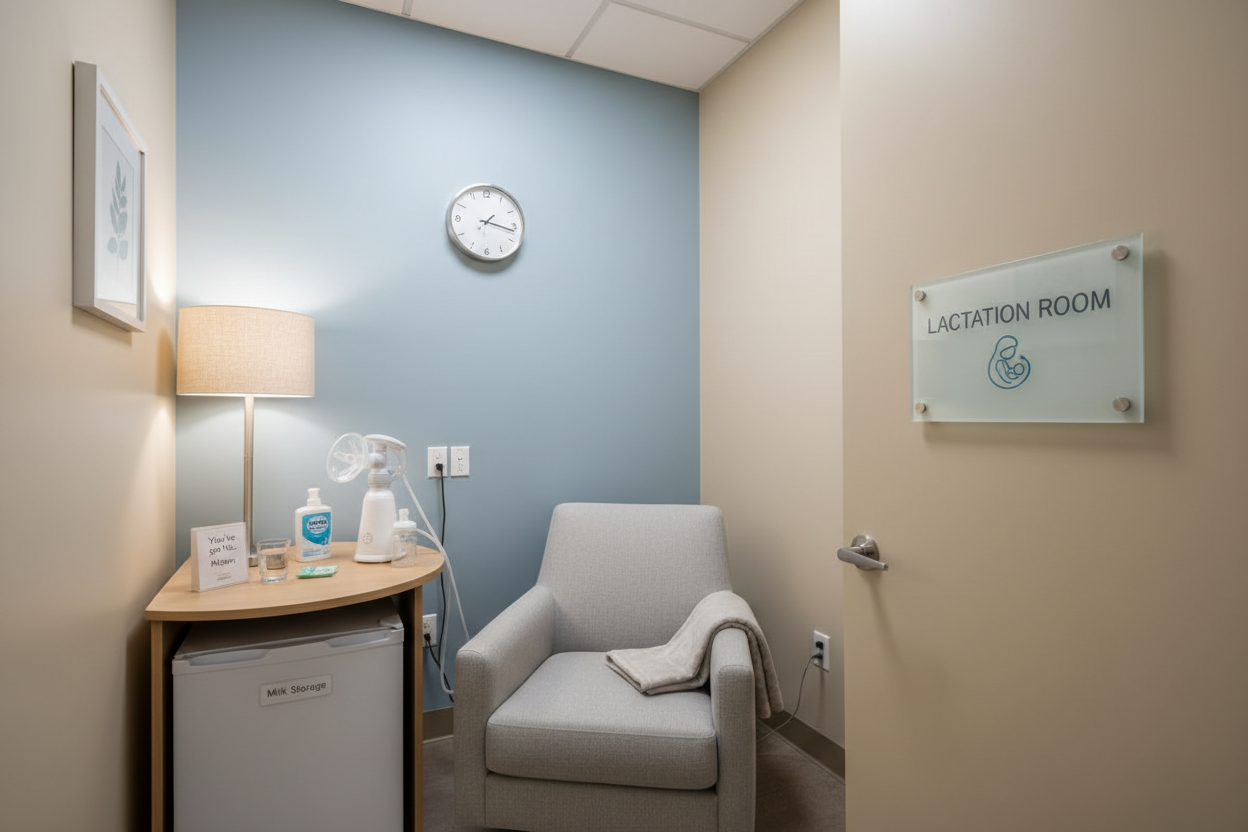
- Scout your pumping location - Visit your workplace and identify where you'll pump
- Talk to your supervisor - Discuss your pumping schedule and needs
- Pack your pump bag - Create a checklist so you never forget essentials
Essential Pumping Supplies for Work
Must-Haves:
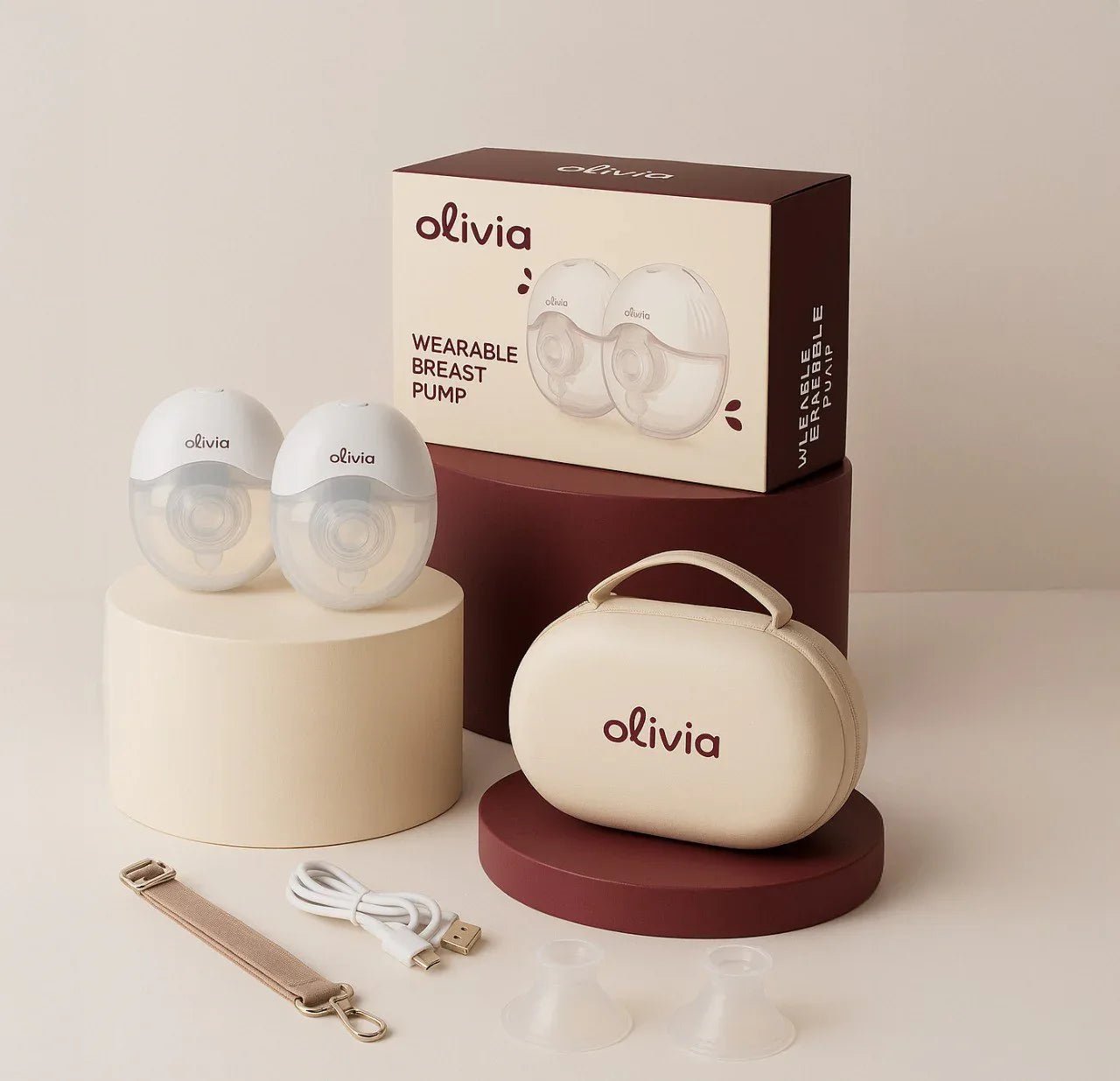
- Breast pump (wearable pumps are ideal for busy work environments)
- Cooler bag with ice packs
- Extra pump parts (flanges, valves, bottles)
- Nursing pads
- Hands-free pumping bra OR wearable breast pump
- Breast milk storage bags or bottles
- Cleaning wipes for pump parts
- Snacks and water bottle
Nice-to-Haves:
- Photo or video of your baby (helps with letdown)
- Comfortable cardigan or cover-up
- Portable phone charger
- Stress ball or fidget toy
Creating Your Work Pumping Schedule
Standard 8-Hour Workday Schedule:
6:00 AM - Nurse baby before leaving home
9:00 AM - First pumping session at work (15-20 minutes)
12:00 PM - Second pumping session (15-20 minutes)
3:00 PM - Third pumping session (15-20 minutes)
6:00 PM - Nurse baby when you get home
Tip: Aim to pump every 3 hours to maintain your milk supply and prevent engorgement.
How to Pump Discreetly at Work
The Wearable Pump Advantage
Traditional pumps require you to find a private room, set up equipment, and sit still for 20 minutes. Wearable breast pumps revolutionize workplace pumping by allowing you to:
- Pump at your desk - Discreetly under a cardigan or blazer
- Pump during meetings - Quiet motors won't disturb video calls
- Pump while commuting - In your car or on public transit
- Save time - No setup or breakdown, just insert and go
Storing Breast Milk at Work
Immediate Storage: Place pumped milk in a cooler bag with ice packs immediately after pumping. Breast milk stays fresh for up to 24 hours in a cooler.
Office Refrigerator: If you have access to a fridge, store milk in the back (coldest spot) in a labeled bag. Breast milk is good for 4 days in the refrigerator.
Transporting Home: Keep milk in your cooler bag for the commute home, then transfer to your home freezer or fridge.
Troubleshooting Common Work Pumping Challenges
Challenge: "I'm not getting much milk at work"
Solutions:
- Look at photos/videos of your baby while pumping
- Pump at the same times you'd normally nurse
- Stay hydrated - drink at least 8 glasses of water daily
- Try power pumping once a day (pump 20 min, rest 10 min, pump 10 min, rest 10 min, pump 10 min)
- Ensure your pump flanges fit correctly
Challenge: "I don't have time for pumping breaks"
Solutions:
- Switch to a wearable pump that works while you work
- Block pumping time on your calendar like any other meeting
- Combine pumping with lunch breaks
- Talk to HR about your legal right to pumping breaks
Challenge: "My workplace doesn't have a private pumping room"
Solutions:
- Federal law requires a private space (not a bathroom)
- Suggest unused offices, conference rooms, or storage rooms
- Use a wearable pump in your car during breaks
- Request a privacy screen or room divider
Maintaining Your Milk Supply While Working
1. Pump as often as baby eats - If baby takes 3 bottles while you're gone, pump 3 times at work
2. Nurse on demand when together - Mornings, evenings, and weekends help maintain supply
3. Power pump once daily - If supply dips, add one power pumping session
4. Stay consistent - Your body responds to regular stimulation
5. Don't stress - Stress can impact letdown, so find ways to relax while pumping
Cleaning Pump Parts at Work
Quick Method: Rinse parts with cold water, store in a sealed bag in the fridge, and wash thoroughly when you get home.
Thorough Method: Wash with hot soapy water in a break room sink, air dry on a clean towel.
Easiest Method: Use wearable pumps with fewer parts, and bring multiple sets to swap out during the day.
Your Rights as a Pumping Employee
Under the Fair Labor Standards Act (FLSA), employers must provide:
- Reasonable break time to pump (typically 15-20 minutes every 3 hours)
- A private space that is NOT a bathroom
- Protection from discrimination for pumping
These protections apply for up to one year after your baby's birth.
Success Stories: Real Working Moms Share Their Tips
Sarah, Marketing Manager: "Switching to a wearable pump was a game-changer. I pump during my morning standup meetings and no one even knows. I've exclusively breastfed for 10 months while working full-time."
Jessica, Teacher: "I pump during my planning period and lunch. Having a set schedule helps my body know when to let down. I keep extra supplies in my desk drawer just in case."
Maria, Nurse: "My shifts are unpredictable, so I use a wearable pump that I can quickly use between patients. It's saved my breastfeeding journey."
Final Thoughts
Pumping at work takes planning and commitment, but thousands of working moms successfully do it every day. With the right equipment (especially a quality wearable breast pump), a solid schedule, and knowledge of your rights, you can absolutely continue your breastfeeding journey while advancing your career.
Remember: You're doing an amazing job providing for your baby while building your professional life. Be patient with yourself, stay consistent, and don't hesitate to ask for support when you need it.
Ready to make work pumping easier? Explore our collection of discreet, hands-free wearable breast pumps designed specifically for busy working moms.